The history of The Grocer's Shop
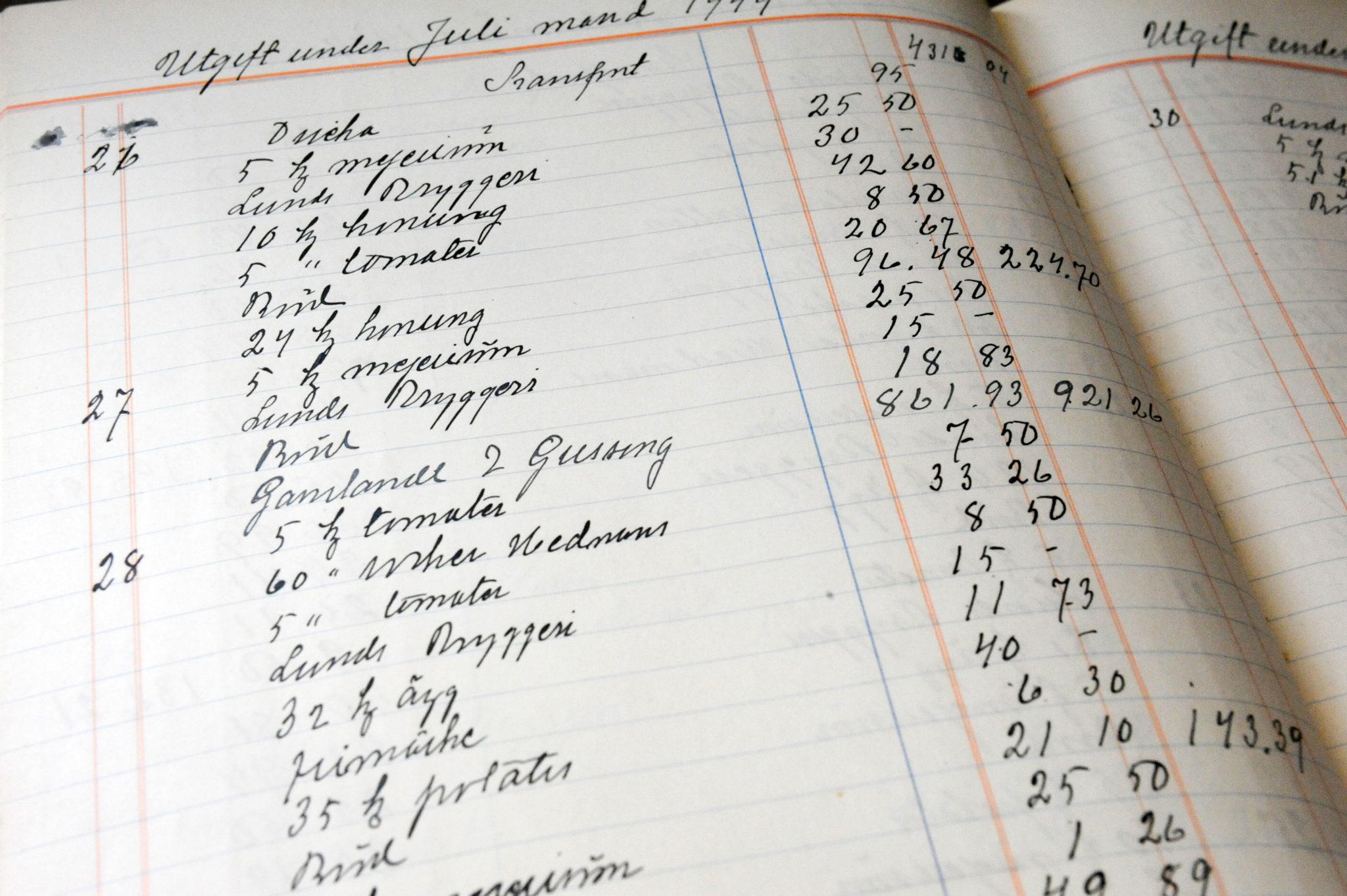
Grocery store 1855 to 1962
The yellow house on the corner of St. Anne Street and Tomegap Street was built around 1815. In 1855, a grocery opened in a room on the ground floor. The current design of the premises was acquired by the Grocery Store when Elisabeth and Jöns Larsson owned the business (1898–1929) which was then called E.H. Larsson. Wine & Sundries Shop. The store sign still remains above the entrance.
Twice the Size Premises
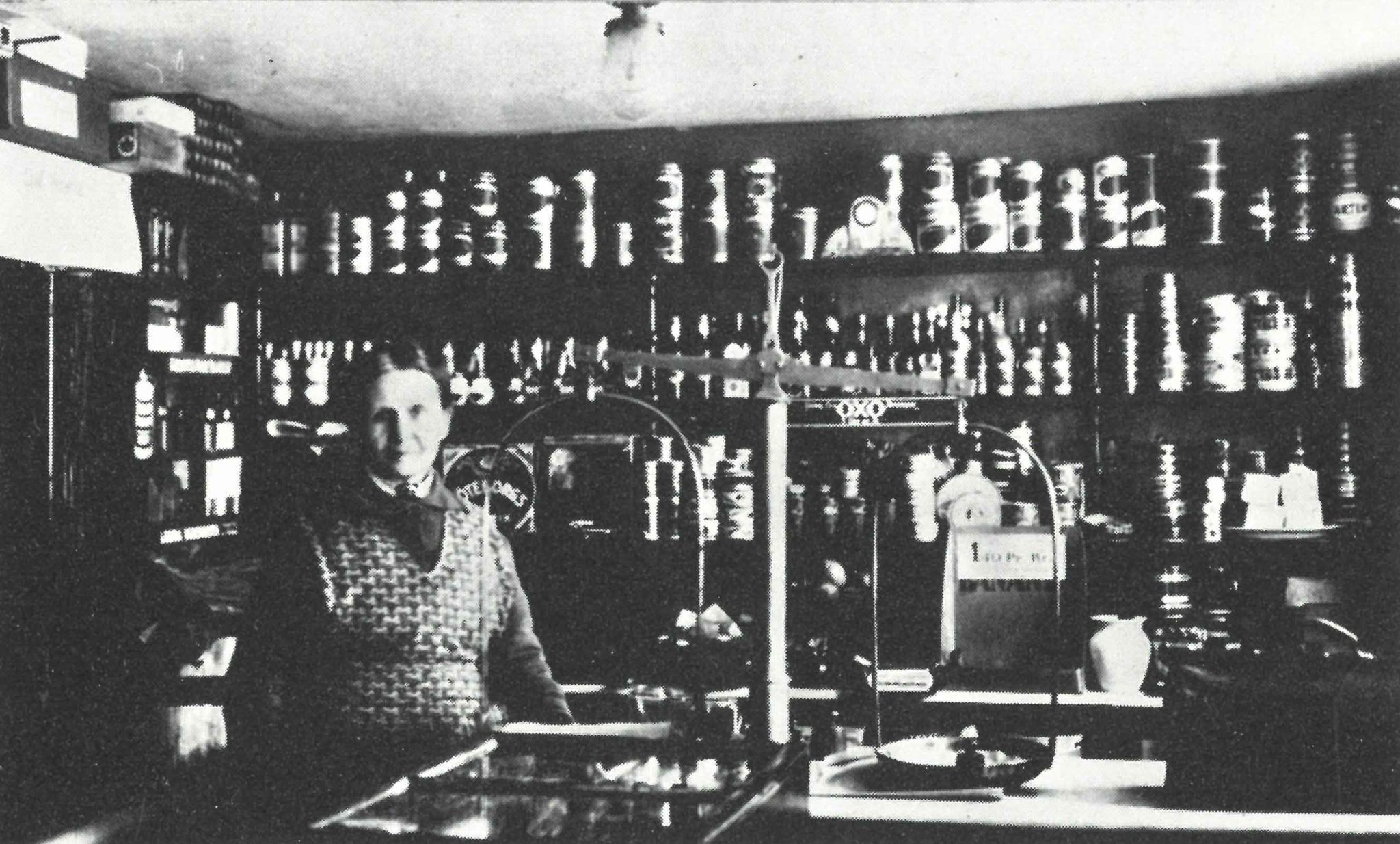
The grocery stores were usually very small, but when Larsson's carried out a renovation in 1906, the premises became twice as large and received a new counter and shelving interior. The entrance was rebuilt so that one entered the shop directly from the street, avoiding the narrow hallway.
Shelving Interior
Some shelves remain from the interior that Larsson's installed in 1906. The rest of the interior comes from Anna Persson's grocery store at Norrtull, also from the same era. Larsson's and Anna Persson's neighborhood shops were among the more well-known in Lund at the beginning of the 1900s.
From North German Höker
The Swedish word 'hökare' comes from the North German 'höker', which means retailer, especially a retailer in groceries. The first Swedish uses of the word date back to the early 1600s. During the 1600s, the assortments of the 'hökare' were regulated to certain groceries, and in the 1700s, the assortment expanded to, for example, tar, ropes, tobacco, and clogs. In the 1800s, the regulations ceased, and the grocery stores began to resemble small general stores.
Typical Grocery Store Items
A large part of the assortment at the turn of the century 1900 was still food items, typical grocery store items such as pork, sausage, fried herring, fresh bread, butter, vegetables, potatoes, and beer. Other important items included snuff, kerosene, soap, scrubbing brushes, and sewing thread. Many grocery stores also sold warm ready-made food, which was purchased by, for example, single men and students.
Meeting Place
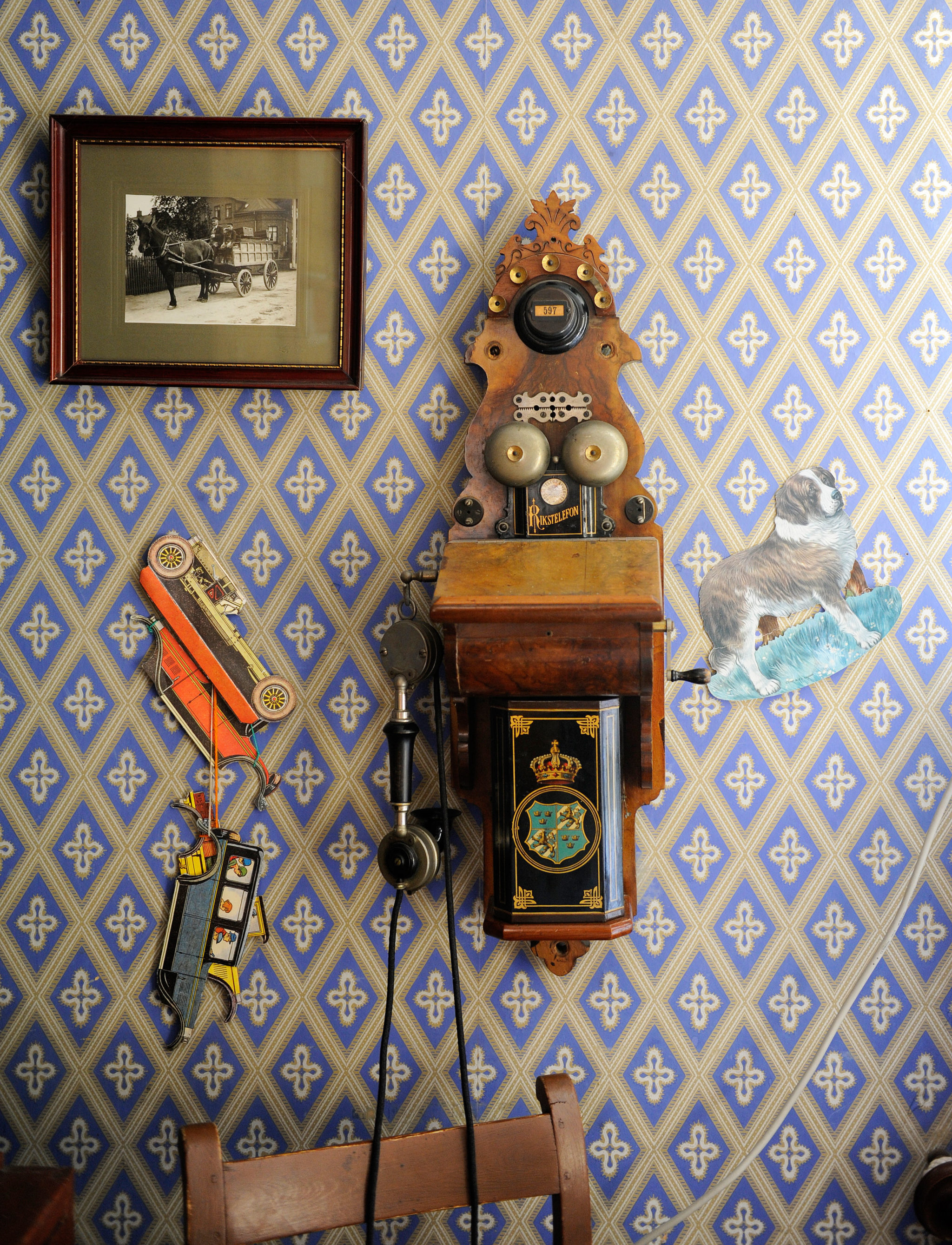
The grocery stores were not only a neighborhood shop where one shopped; here, one could also chat away for a while. People discussed the latest news read in the newspaper or heard at work, and perhaps drank a beer during the conversation. Here one could also pick up their daily newspaper, which was cheaper than having it delivered home. There was also the possibility to borrow the phone at the 'hökare's' office. Around the turn of the century, not many people had their own phone.
Kulturen Buys the House
The last grocer in the house was O.A. Ohlsson, who owned the house and the business from 1929–1962. He sold the house to Kulturen, which carried out a reconstruction of a grocery store from the turn of the century.