To Survive – Voices from Ravensbrück
Information
Visas på andra våningen i Vita huset (nr 1 på besökskartan). Ta trappan eller hissen upp.
How does one survive in a concentration camp? A unique collection of objects, gathered when the White Buses came to Lund in 1945, testifies to the great courage and vitality of the women who were imprisoned in the German concentration camp Ravensbrück during World War II.
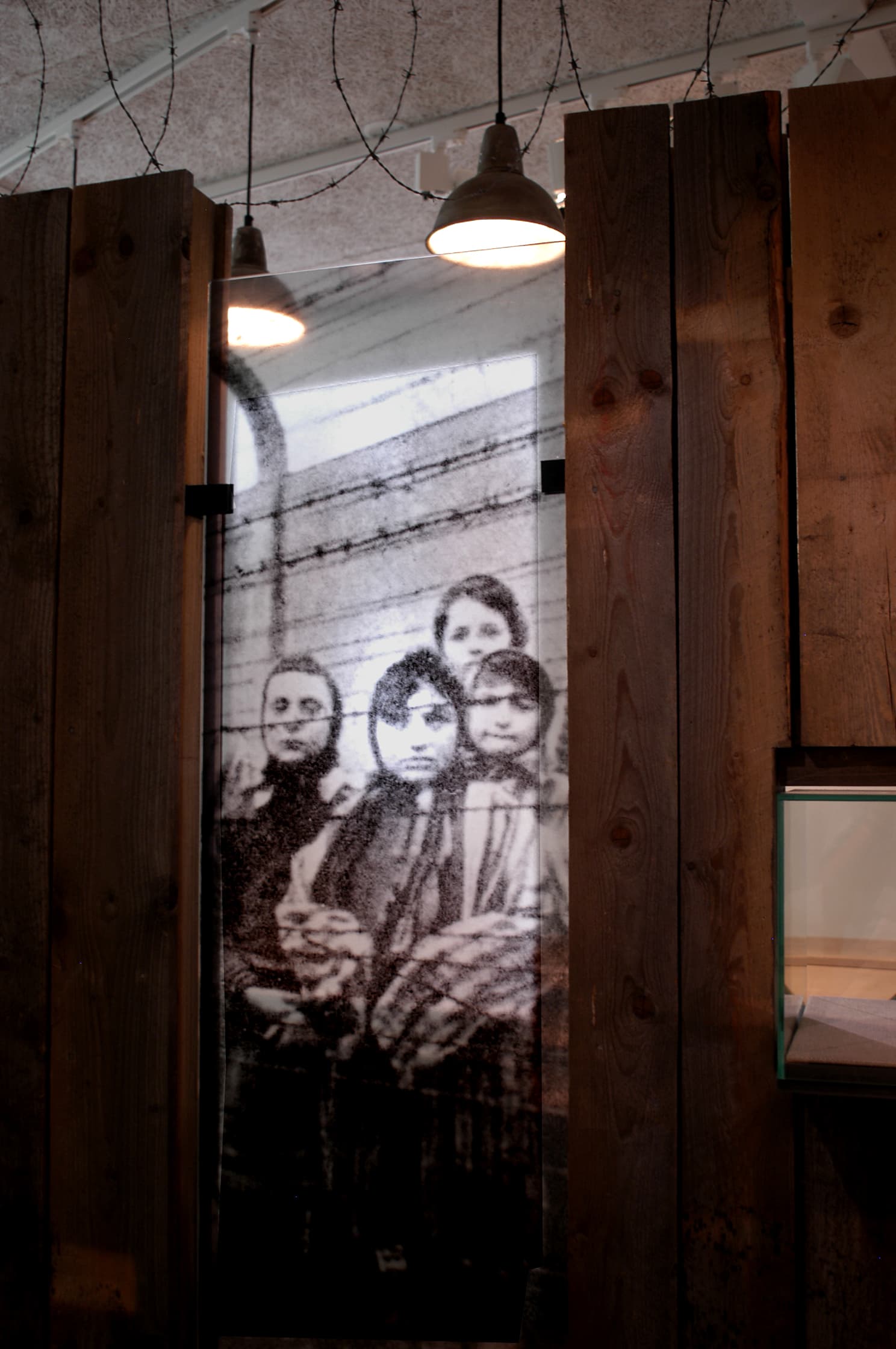
132,000 prisoners were imprisoned in the camp. Most were women and children, but also men. Many died of malnutrition, abuse, diseases, and medical experiments or through executions. The prisoners were also forced to work hard in the camp-owned factories. In such an environment, it was important to keep the memory of life before the camp. In secret, they made simple, but valuable, items that reminded them of the other life – of normalcy.
Maintaining Human Dignity
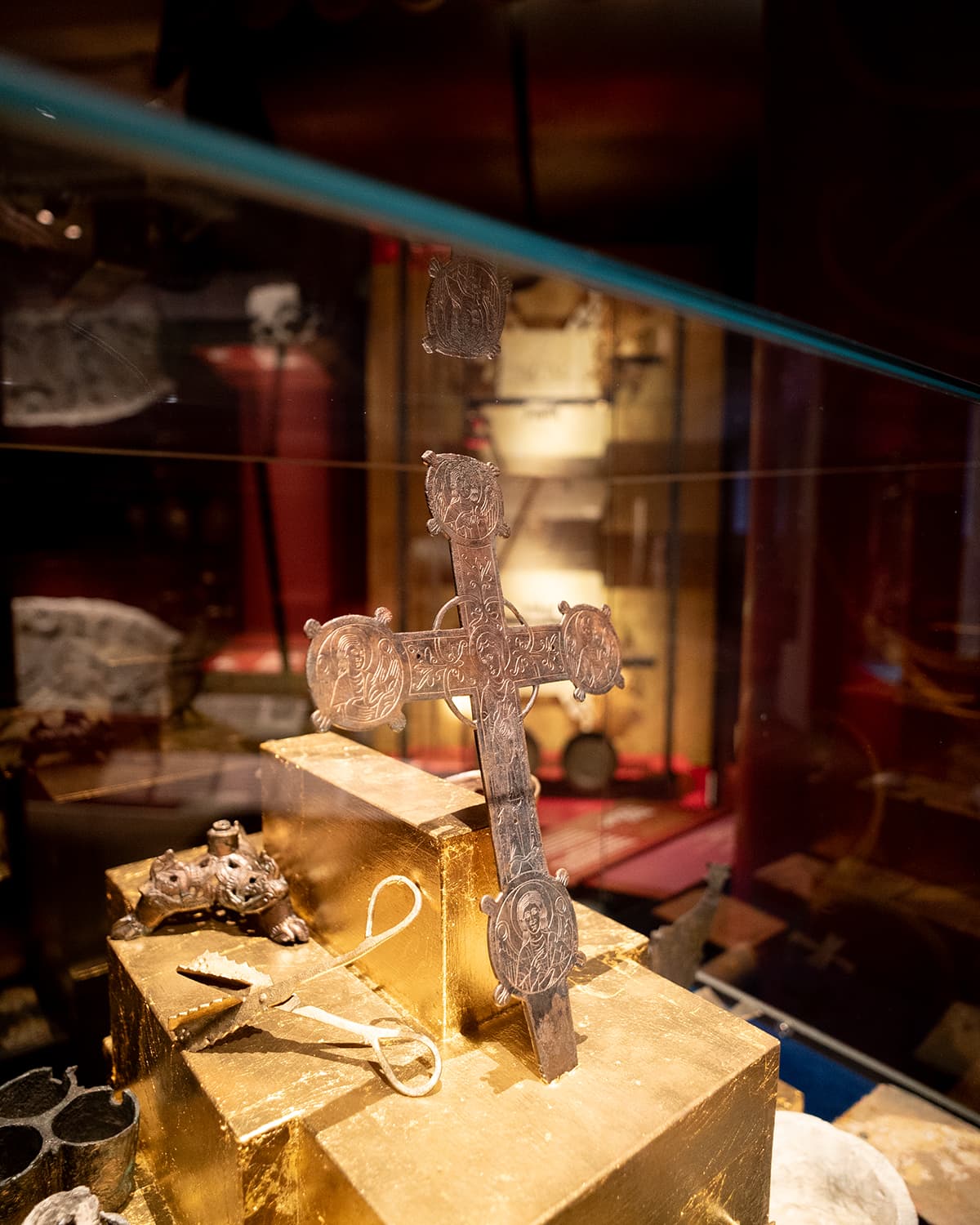
Pieces of paper became calendars and maps. Part of a toothbrush handle became a brilliantly sculpted little crucifix and fabric scraps became toys for the children in the camp. Not everyone could make and hide items, but the things that existed show the will to survive. Owning an item was a way to maintain one's human dignity.
Zygmunt Łakociński
Zygmunt Łakociński – a lecturer in Polish at Lund University and head of the Polish Source Research Institute – understood the historical value of the objects and collected them when the women arrived with the White Buses to Lund in 1945. Łakociński coordinated the mission and was also an interpreter.
Interviews Preserved in Archives
He also initiated in-depth interviews with some of the prisoners who were freed from the concentration camp. The interviews were conducted by nine former camp prisoners with academic training, who were employed in the project. There were more than 500 interviews in total. The interviews are fully available in the archive Witnessing genocide at Lund University's library. On their website, you can also read more about how the collection and interviews were conducted.
Just over fifty years later, in the late 1990s, Kulturen conducted new interviews with some of the women who had been in the concentration camp. Part of their stories can be seen in the exhibition displayed on the second floor of the White House.