Legacy of silence – On the genocide of the Roma during the Holocaust
Information
Visas i Vita huset (entréhuset) på andra våningen.
In this exhibition we meet people who have been affected in different ways by the genocide of Roma during the Holocaust. The exhibition consists of a series of posters and was produced by Forum för levande historia.
Interviews
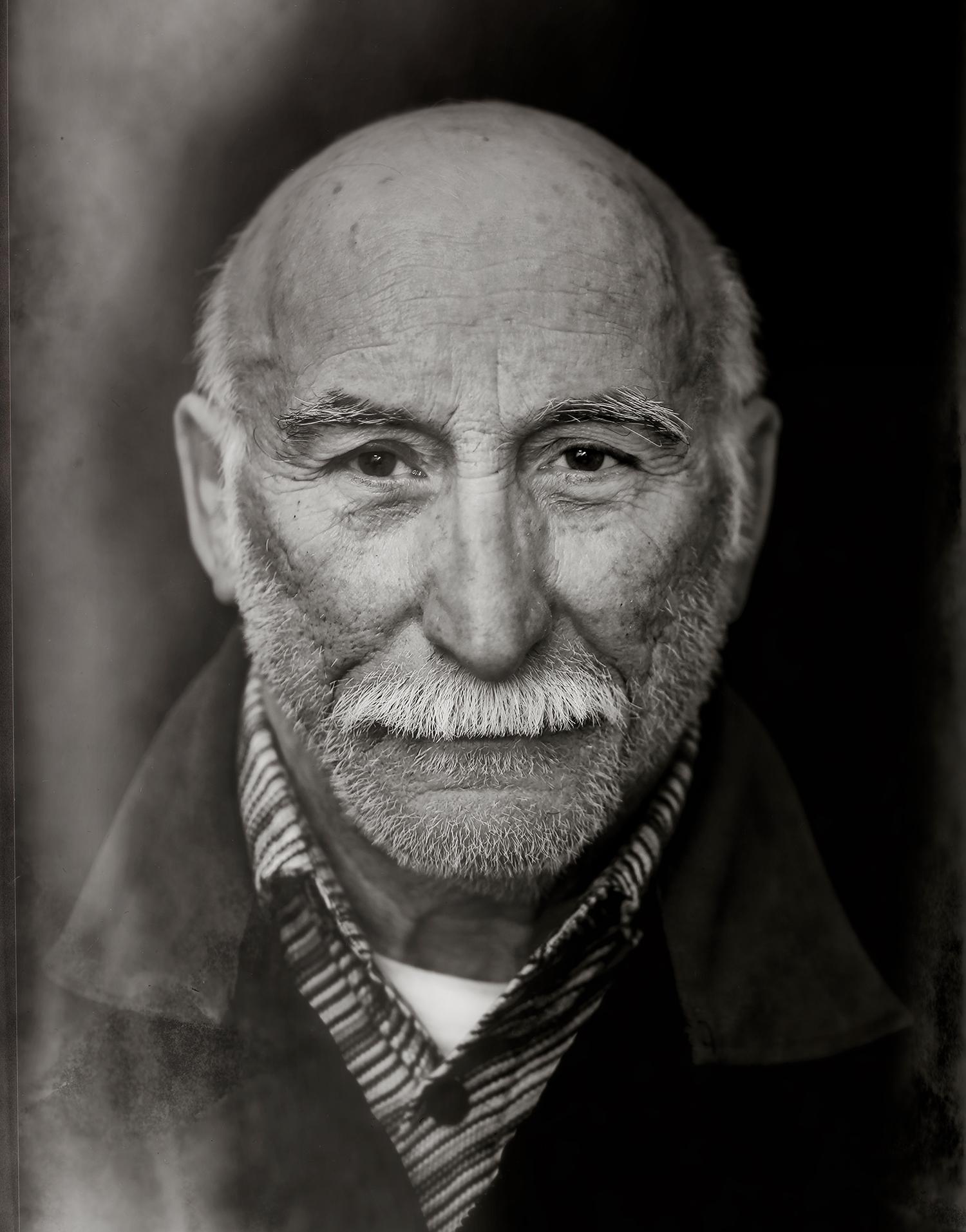
This poster exhibition presents the stories of survivors, as well as the children and grandchildren of survivors, who share what happened to them and to other Roma during the Second World War. The interviews were conducted by journalist Monica Hirsch, and the photographs were taken by Maja Kristin Nylander.
Before it's too late
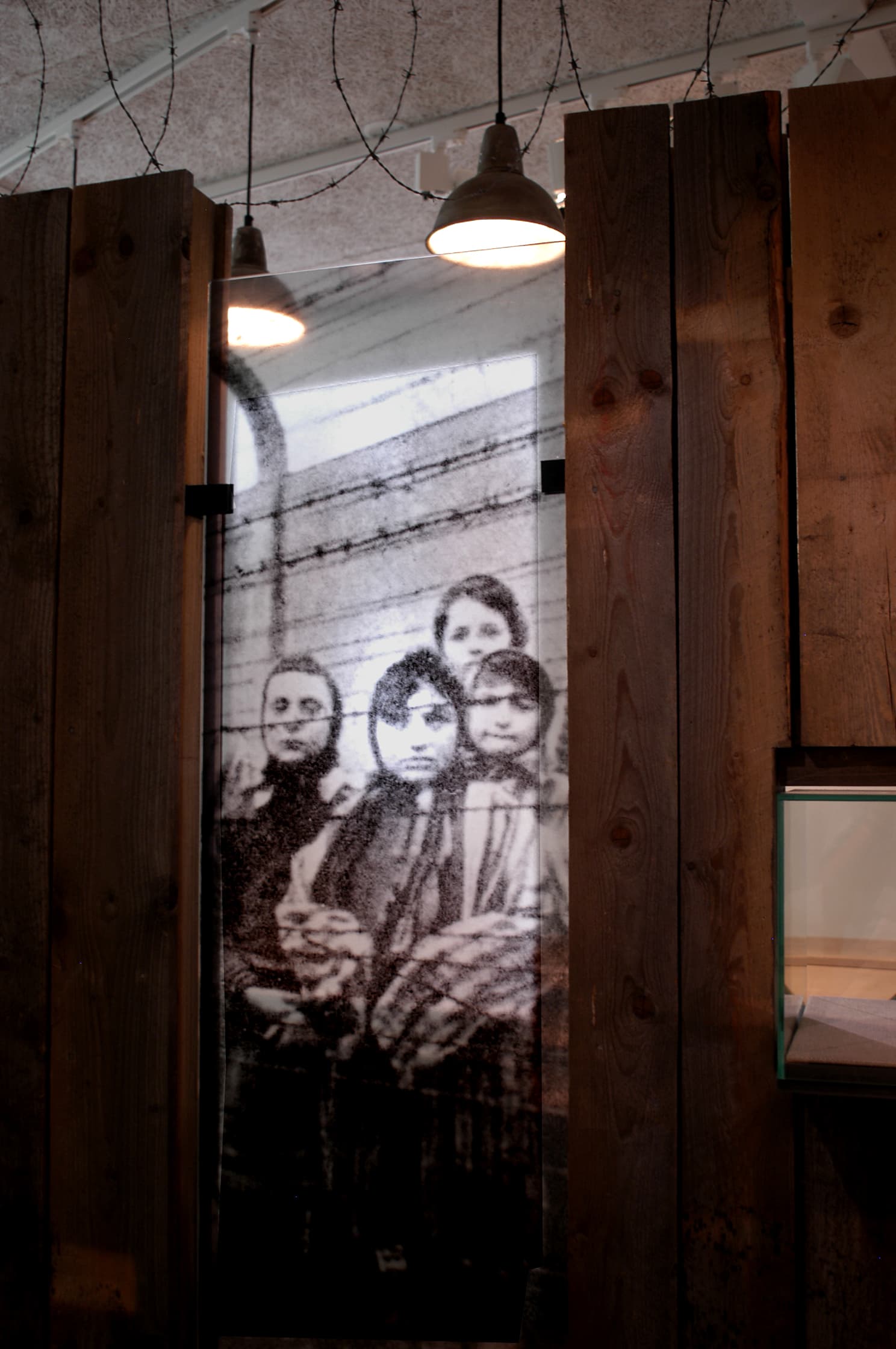
The people featured come from families who were deported to concentration camps, who hid in forests, and who witnessed people fleeing persecution being murdered. Most of them were children during the war. Now, before it is too late, they are sharing their stories so that the world will not forget. It is estimated that around half a million Roma were murdered during the Second World War.
A third may have been murdered
The exact number of Roma living in Europe before the war is unknown, but as many as one third of all European Roma may have been murdered by the Nazis and their allies. From mid-1942 onwards, Roma from Nazi Germany and occupied countries across Europe were deported to concentration and extermination camps.
Gas chambers
At Auschwitz-Birkenau, a separate camp for Roma was established. Adults and children were murdered in gas chambers or beaten to death by camp guards. Many also died from disease, malnutrition, and medical experiments. On the night of 2-3 August 1944, the approximately 4,300 people still imprisoned in the Roma camp were murdered. Most were elderly people, women, and children. They were taken to the gas chambers and killed.
Closed for Roma refugees
During the Second World War, Sweden's borders were closed to Roma refugees. From 1914 until 1954, all Roma immigration to Sweden was prohibited. Despite this, a small number of Roma managed to enter the country through humanitarian relief efforts at the end of the war.
Persecution not documented
The Nazi persecution of Roma was not systematically documented after the war. Testimonies from Roma survivors and from those who had witnessed the murder of family members were largely not collected. Knowledge about the history of anti-Roma racism and the treatment of Roma, both before and after the Second World War, remains limited.
Persecution continued
The end of the Holocaust did not mark the end of the persecution of Roma. It took 40 years before West Germany officially recognised the genocide of the Roma. In 2014, seventy years after the destruction of the Roma camp at Auschwitz-Birkenau, Germany issued an official apology.
The exhibition consists of 16 posters and was produced by Forum för levande historia in collaboration with the City of Gothenburg in 2023. It is based on the book "Det tysta arvet – romer under Förintelsen."